FAQs
AAT™ FAQs for Professionals
How does AAT™ work?
Associative Awareness Technique™ is a treatment approach specifically designed around the neuroscience of trauma and resultant chronic conditions. AAT™ is a 6 Step Process (3 Levels: 2 steps each) that is designed to change your patients current conditioned negative associations by creating new positive sensory and cognitive awareness. This will restore homeostasis to the Central Nervous System, which will in turn reduce or eliminate many of the Autonomically driven physical conditions your patients are currently experiencing.
How can AAT™ successfully address a biomechanical problem?
Biomechanical dysfunctions that do not respond to conventional treatment methods more than likely have a central bias that will not have long lasting results with a peripheral approach. This is especially true in cases of multiple pain sites such as fibromyalgia, Motor Vehicle Accident (MVA), or any injury / experience with a traumatic basis. By treating the issues of chronicity from a central perspective, we utilize the plastic nature of the brain to create lasting changes.
How long does it take to learn AAT™?
Each level of AAT™ can be easily learned over the course of a weekend. Our Live Training Seminars are two day courses, spanning 16 hours of training. Our Online Training Programs allow you the benefit of learning at your own pace in the leisure of your own office or home. We strive to ensure that the treatment approach can easily be applied the day after the completing our Live Seminar or Online Training with minimal or no reference to your course manuals.
Do you offer any additional training opportunities?
Absolutely! We realize that AAT™ is a significant paradigm shift in thinking for most medical practitioners. We've developed a unique learning opportunity for our practitioners to continue their education after completing our online or live training courses. We call this our Virtual Continuing Education Program, or VCEP. Our VCEP program delivers a wide variety of educational videos and downloads that explain the science behind AAT™ and the artful application of these techniques. The VCEP program is exclusive to healthcare professionals and will help hone your skills and improve your patient outcomes. Each practitioner attending a Live Seminar or Online Training Program will receive a FREE "No Strings Attached" trial of our VCEP membership program.
Is there any current research that supports the efficacy of AAT™?
AAT™ is based on sound current scientific research in regards to neurophysiology and neuroplasticity. We are currently moving forward with evidence based research and data collection supporting AAT™.
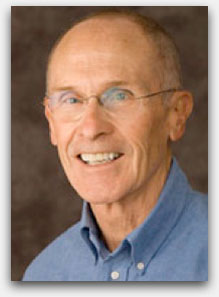
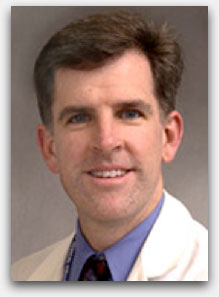
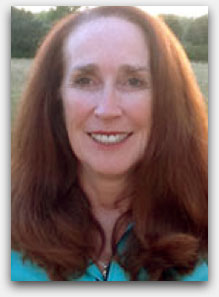
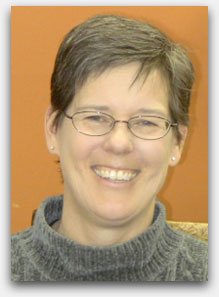
To this end, we have assembled a Medical and Scientific Advisory Board. We are honored to include the following members:
(click images for more information)
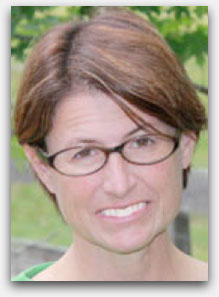
Cynthia Erickson, Ph.D. received her Ph.D. from the University of Arizona in neuroscience under the tutleage of Drs Carol Barnes and Bruce McNaughton. After receiving her doctorate, she became fasicinated by changes in the cortex during learning—This area of study is remarkable because the cortex was originally thought to be comprised of static maps after a critical period in development. As a staff fellow in the Laboratory of Neuropsychology at the National Institutes of Health, she observed changes in cortical neuron interactions after learning new pictures. This research required developing cutting-edge technology to record brain activity from many neurons simultaneously. Cynthia then moved on to research at the Helen Wills Neurosicence Institute at the University of California Berkeley and the California National Primate Research Center at the University of California Davis, where she managed the National Institute of Aging funded multicenter project on the neurobiology of memory and aging in primates.
Cynthia has published papers, and presented original research internationally on cortical and hippocampal brain changes during learning, amygdala responses to emotional images, the effects of aging on memory, and other topics in neuroscience. She doesn't remember a time when she was not passionate about helping people through research. In 1999, she gave a presentation to local physical therapists in Bethesda, MD entitled, "What Can Physical Therapists Learn from Modern Brain Science?" She welcomes the opporturnity to work with, and learn from, Scott Musgrave and Ernie Quinlisk, who have much to teach the scientific community. Although she has lived many places, she, along with her husband and son, feel most comfortable calling Colorado "Home."
Robert Scaer, M.D. received his B.A. in Psychology, and his M.D. degree at the University of Rochester. He is Board Certified in Neurology, and has been in practice for 39 years, twenty of those as Medical Director of Rehabilitation Services at the Mapleton Center in Boulder, CO. His primary areas of interest and expertise have been in the fields of brain injury and chronic pain, and more recently in the study of traumatic stress and its role in all mental illness, as well as in physical symptoms and many chronic diseases.
He has lectured extensively on these topics, and has published several articles on the whiplash syndrome and other somatic syndromes of traumatic stress. His first book, The Body Bears the Burden: Trauma, Dissociation and Disease, presents a new theory of dissociation and its role in many diseases. A second edition of this book was published in November, 2007. A second book, The Trauma Spectrum: Hidden Wounds and Human Healing, released in July, 2005, explores the insidious spectrum of culturally-based trauma that shapes our lives, and how transformation and healing may still take place. Dr. Scaer is currently retired from clinical medical practice, and continues to pursue a career in writing and lecturing.
Christine is a graduate of West Virginia School of Osteopathic Medicine, Lewisburg , WV. She has spent decades integrating traditional medicine with osteopathic treatment modalities in conjunction with spiritual practice and cutting edge exercise physiology and neuropsychoimmulogy.
She completed a rotating internship at Cuyahoga Falls General Hospital Akron,Ohio and a Family Practice Residency at Shadyside Hospital Pittsburgh PA. After many years in solo private practice, she directed The Well Being Mind Body Medical Center at Westmoreland Regional Hospital Greensburg, PA. The center focused on integrated whole person medical treatment for chronic illness, emphasizing education and self care as the foundation for wellness.
Christine is married to a general surgeon, Dan and has 7 children ages 25-15 so she knows the pressures of combining career and family life. She left her dream job at the Well Being to focus on her family when the family moved to Colorado in 2002. Christine presently works for the Veteran Administration Medical Center in Cheyenne, WY. She extends her whole person approach to patient care to complex issues such as Post Traumatic Stress Disorder, Chronic Pain, Traumatic Brain Injury and Polytrauma.
Reflax™ and Reflexercise™ are simple reflexive treatment modalities that dovetail with Christine's working knowledge for brain physiology and physical and neurological transformation in healing. She has incorporated them into her daily practice with significant improvement in symptoms as patients accept the common sense approach to self change that these practices contain.
Bryan J. O'Neill, MD is a Clinical Assistant Professor of Physical Medicine and Rehabilitation at Thomas Jefferson University in Philadelphia. He earned his Bachelors degree at the University of Pennsylvania, with a major in the Biological Basis of Behavior. He completed his medical school training at the State University of New York at Stony Brook, where he was selected to Alpha Omega Alpha, the national medical honor society. He completed his PM&R residency and a fellowship in neuromuscular disease at Thomas Jefferson University. He then joined the full time faculty in the department of Rehabilitation Medicine at Jefferson where he practiced for nine years. It was there that he developed an interest in chronic pain. He studied with Dr David Simons, the father of myofascial pain and trigger point diagnosis and treatment.
He helped found and become the first director of the Myofascial Pain Program at Jefferson, a center for clinical treatment, training and research in the area of myofascial pain. He studied multiple manual therapy approaches to chronic pain. In 2006, he left full time practice at Jefferson to join the Neurologic Group of Bucks and Montgomery County, a multidisciplinary practice focusing on the diagnosis and treatment of chronic pain. He continues to teach residents and medical students as well as see patients one day a week at Jefferson's outpatient rehabilitation department.
Mary Braud, MD graduated from Louisiana State University Medical School in 1989. She completed residency training first in pediatrics and later in psychiatry, including a fellowship in child and adolescent psychiatry. After working at a community mental health center for several years, Dr. Braud began her private practice in Denver, Colorado. She works with children, adolescents and adults utilizing an integrative approach combining both traditional and alternative modalities.
Dr. Braud has studied alternative mental health treatments since 2005. This includes training with the Center for Mind-Body Medicine, the Institute for Functional Medicine and the Autism Research Institute. She was a consultant for the Riordan Clinic of Wichita, Kansas from 2007 to 2010.
How difficult is it to blend AAT™ with my current treatment approach?
AAT™ can be used seamlessly with almost any treatment approach. AAT™ is easy to learn through our live and on-line educational support system. AAT™ is a centrally based treatment technique designed to create homeostasis within the Central Nervous System. We believe you will find that your treatment outcomes will drastically improve when the central issues are addressed, regardless of whether the problems are acute or chronic.
AAT™ FAQs for Individuals
What is AAT™?
AAT™ is a 6 step treatment process designed around the science of trauma and resultant chronic codnitions. AAT™ addresses the 3 parts of your brain that are responsible for maintaining your chronic condition. You can learn and perform all 6 steps using our simple to follow home program or you can be treated by your AAT™ trained medical professional.
So my own medical practitioner (PT, PTA, OT, OTA, MD, DO, Chiropractor, Acupuncturist, Personal Trainer) can learn AAT™ and use it on me?
Absolutely! In fact it may be best for you to be treated by someone that you already know and trust and someone that knows you as well. He or she can begin by learning Level One of AAT™ this weekend by utilizing our on-line training AAT™ training program for professionals.
What if my medical practitioner does not want to learn AAT™ or what if I cannot afford to see him or her?
No problem. YOU can actually learn the entire AAT™ program and use it right from home. Five of the 6 steps of AAT™ are self-applied. You will only need someone to help you with one of the six steps.
AAT™ sounds complicated to learn for a non-medical professional?
The AAT™ home program does not contain all the complicated medical terms and science that the professional version contains. The home program is explained in a simple way that makes it easy to understand and apply. Anyone can do it.
I have already tried many types of treatment and medicines, what makes AAT™ different?
Conventional treatment approaches treat the symptoms of your condition(s), not the cause. AAT™ is different in that it is specifically designed to treat the cause of your chronic condition(s). AAT™ creates balance within your nervous system, which controls all aspects of your body. This process teaches your brain to be less physically reactive to stress, pain, anxiety, negative thoughts and/or memories, all of which significantly reduces or eliminates your chronic symptoms.
Does AAT™ hurt?
AAT™ is a very gentle treatment approach that rarely causes any discomfort. In the rare instance that a patient does experience discomfort, your therapist can easily modify the treatment to make it comfortable for you.
What if I have been told by my doctor that I will have to live with my problem?
The field of brain research is constantly changing and it may be difficult for your doctor to keep up on the many changes that are occurring at such a fast rate. We recommend that you talk to your doctor about AAT™. Remember: it does not hurt and in many cases, there is minimal investment of time and money to determine if AAT™ is right for you.
Will my insurance cover AAT™?
You will have to check with your current medical practitioner to make this determination. Remember, that you can easily and quickly learn and perform AAT™ right from home.
How many visits will I need to get better?
This question is difficult to answer for each individual case, but there are some interesting patterns that we see in the clinic. While the steps of AAT™ are simple and easy to perform, the consistency with which they are performed has a dramatic impact upon the results achieved. Stay consistent and you will achieve results and minimize your need for continued visits to multiple health care practitioners.